-
Is a lawyer required for a real estate transaction?
Legal representation is not mandatory in every situation, but real estate transactions carry significant legal and financial consequences. Having a lawyer involved helps verify the rights in the property, identify potential risks, and ensure that the agreement properly protects your interests.
-
What should be reviewed before purchasing a property?
The review will typically include ownership and title rights, registration status, transaction documents, existing obligations or encumbrances, tax implications, and, where relevant, planning issues or possible building irregularities.
-
Is there a difference between buying from a developer and buying a resale property?
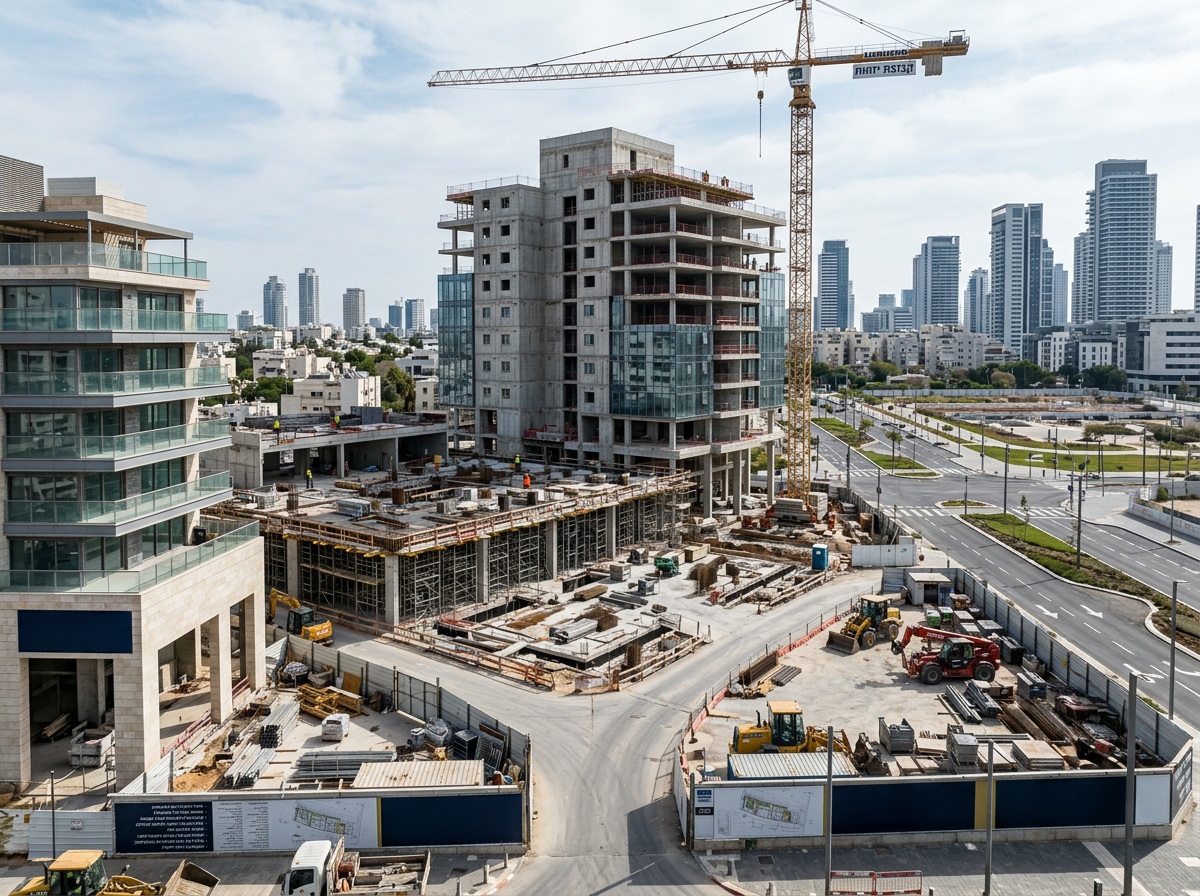
Yes. A purchase from a developer generally involves a more complex agreement, future obligations, payment schedules, delivery dates, and additional protections that must be considered.
A resale transaction usually places greater emphasis on the existing ownership rights, registration status, the contractual arrangements between the parties, and completing the transfer of title.
-
Should tax implications be reviewed before signing?
Yes. Tax considerations can materially affect the overall cost and financial implications of a transaction. They should therefore be reviewed before signing rather than after contractual commitments have already been made.
-
What should I check before buying an apartment?
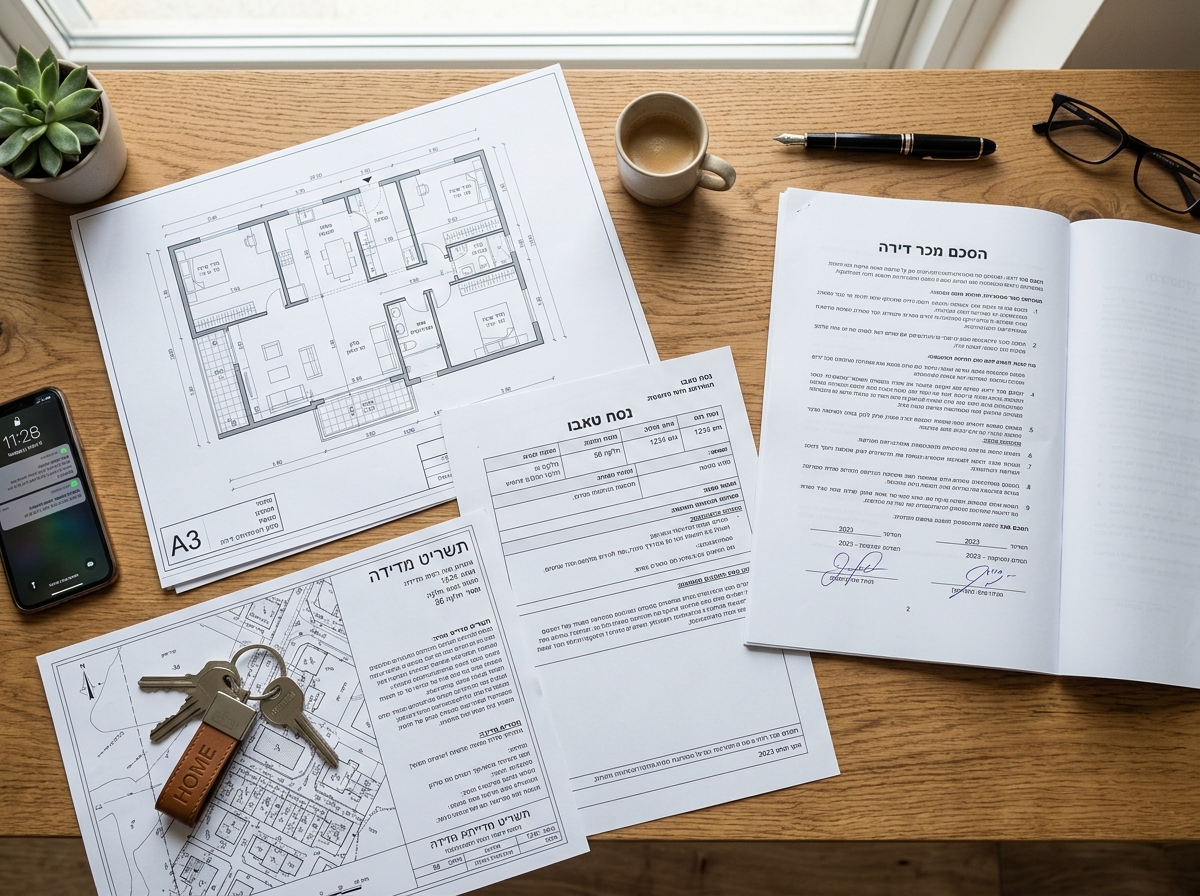
Before purchasing an apartment, it is important to review the ownership rights, the Land Registry extract, the identity of the registered owners, mortgages, liens, attachments or other restrictions, as well as the transaction documents and potential tax implications.
When purchasing from a developer, or where the property raises planning issues, it may also be necessary to review future obligations, project timelines, and the relevant planning status.
-
What is a Land Registry extract, and why is it important?
A Land Registry extract — commonly referred to in Israel as a Tabu extract — is an official record showing the registered details of the property. It may include the registered owners, mortgages, liens, attachments, and other restrictions affecting the property.
Reviewing the extract is an important part of the due diligence carried out before purchasing, selling, or taking other legal action involving registered real estate.
-
Does signing the contract mean the property is already registered in my name?
No. Signing the purchase agreement does not necessarily complete the transfer of ownership. A real estate transaction must generally proceed through the required registration process before the purchaser's rights are formally registered.
Until registration is completed, the agreement may represent a contractual commitment to transfer the property rather than the completed registration of title itself.
-
What is the difference between buying from a developer and buying a resale apartment?
A developer purchase typically involves a detailed agreement covering future obligations, payment milestones, delivery dates, possible indexation, and additional costs. A resale purchase focuses more heavily on the property's current title and registration status, the parties' contractual obligations, and the completion of the transfer of ownership.
-
Should building irregularities be checked before purchasing a property?
Yes. If there is any indication that the physical condition or use of the property may not correspond with the approved plans or permits, the issue should be examined before making a binding commitment.
Planning or building irregularities may affect the property's value, permitted use, and the protections or provisions that should be included in the purchase agreement.
-
When is purchase tax payable?
Purchase tax applies to the acquisition of certain rights in Israeli real estate. The amount may depend on factors such as the type of property, the purchase price, and the purchaser's individual circumstances or applicable entitlements. The tax implications should therefore be reviewed as part of the transaction before signing.
-
What is the difference between purchase tax and capital gains tax on real estate?
Purchase tax is generally imposed on the purchaser when acquiring rights in real estate. Real estate capital gains tax (Mas Shevach) generally relates to the taxable gain arising from the sale of a property.
The actual tax consequences depend on the nature of the transaction and the circumstances of the parties, so the position should be examined before contractual commitments are made.
-
Do I still need my own lawyer when buying from a developer who already has a lawyer?
Yes. The developer's lawyer does not represent the purchaser's interests. Your own lawyer can review the agreement on your behalf, including delivery dates, payment mechanisms, buyer protections, contractual obligations, and potential risks before you sign.
-
What happens after a real estate purchase agreement is signed?
Signing is often only one stage of the transaction. The process may still involve tax reporting, payments, obtaining documents and approvals, satisfying contractual conditions, transferring rights, and completing registration.
A transaction is therefore not measured only by the signing of the agreement, but by the proper completion of all steps required to transfer and register the rights.
-
Is condominium registration important before individual ownership rights can be registered?
Yes. In buildings that require registration as a condominium, registration of the condominium order is generally an important preliminary step before individual units can be registered separately in the Land Registry.