-
Is it mandatory to make a will?
No. However, if there is no valid will, the estate will be distributed according to Israeli inheritance law — which may not necessarily reflect your wishes.
-
Yes. As long as a person has the legal capacity to do so, a will may be amended or revoked as circumstances change.
-
What is the difference between an inheritance order and a probate order?
An inheritance order is issued when there is no will, while a probate order confirms the validity of an existing will.
-
Can a will be challenged?
Yes. In certain circumstances, an objection may be filed against the probate of a will, and the matter may require appropriate legal proceedings.
-
What is the difference between an inheritance order and a probate order?
An inheritance order is required when a person dies without leaving a valid will and determines the heirs in accordance with Israeli inheritance law. A probate order is required when a will exists and confirms its validity so that the estate can be administered in accordance with its provisions.
The distinction is important because it affects how the estate is distributed, which documents are required, and the legal procedure that must be followed.
-
Is a handwritten will legally valid?
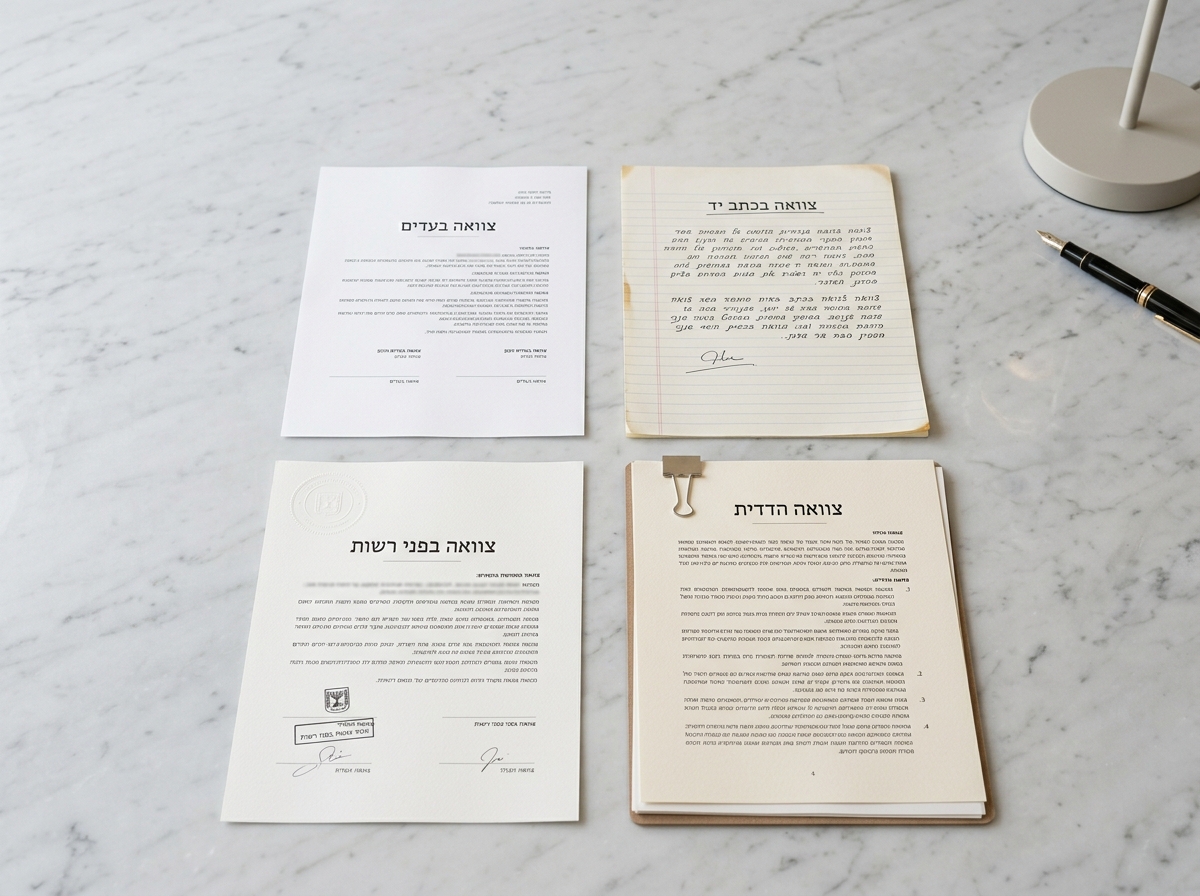
Yes, provided that it meets the legal requirements. According to the firm's existing materials, a handwritten will must be written entirely in the testator's own handwriting, dated, and signed by the testator.
Because this form of will can appear relatively simple, even minor errors may later create disputes or difficulties when attempting to probate it.
-
Should a will be deposited with the Registrar of Inheritance Affairs?
Depositing a will with the Registrar of Inheritance Affairs can help ensure that it is preserved and located after the testator's death.
According to gov.il, handwritten wills, witnessed wills, and wills made before an authority may be deposited with the Registrar. The deposit is intended to ensure that the will can be located and delivered to the relevant beneficiaries after the testator's death.
-
When can an objection to a will be filed?
An objection may be filed after an application for a probate order has been submitted and before the order is issued.
According to the Registrar of Inheritance Affairs, the objection is a written submission intended to prevent the issuance of a probate order and should set out the relevant details of the objecting parties, the deceased, other involved parties, and the grounds for the objection.
-
How long does it take to obtain a probate order?
According to the Registrar of Inheritance Affairs, as a general rule, a probate order is issued within 40 days from the date the application is submitted or the original will is filed, whichever is later.
If the application is referred for a response from the Attorney General's representative, the general processing period is 50 days. Requests for additional documents or missing information may extend these timeframes.
-
Can inheritance rights in real estate be registered together with the application for an inheritance or probate order?
In certain cases, yes. According to gov.il, where the deceased was domiciled in Israel at the time of death, it may be possible to submit a combined application for an inheritance order or probate order together with a request to register the resulting rights with the Land Registration Authority.
-
What happens if the will does not cover all of the deceased's assets?
If a will does not address the deceased's entire estate, an additional application for an inheritance order may be required in relation to assets that were not covered by the will.
This is one reason why careful and comprehensive will drafting is important, particularly where the estate includes several types of property or assets.
-
Is a will made before a notary considered a will made before an authority?
Yes. According to the firm's existing materials, a will made before an authority may be made before a judge, court registrar, Registrar of Inheritance Affairs, member of a religious court, or notary.
The applicable formal requirements must be followed carefully, particularly where the testator does not understand the language of the will and a translation is required.
-
Who inherits when there is no will?
When there is no valid will, the heirs are determined according to Israeli inheritance law. According to the firm's existing materials, this will generally involve the deceased's spouse and relatives according to the statutory order of succession.
If there is no spouse or qualifying relative, the State may inherit the estate in accordance with the law.
-
Can unmarried partners inherit from one another?
Yes, in appropriate circumstances. According to the firm's existing materials, Israeli inheritance law may also recognize unmarried partners who meet the relevant statutory conditions and allow them to inherit as spouses.
Because entitlement depends heavily on the specific circumstances of the relationship, each case should be examined individually.
-
Can a will be probated if the original document cannot be located?
According to the Registrar of Inheritance Affairs, the original will is generally required. Where the original cannot be produced, there are circumstances in which an application may need to be made to prove the will based on a copy.
Different requirements may also apply where probate has already been granted by a foreign court or authority and authenticated documents are being submitted in Israel.
-
Which is better: making a will or relying on intestate succession?
There is no single answer that is right for everyone. Intestate succession is the default distribution established by law when there is no valid will, but it may not reflect a person's wishes or the complexity of their family and assets.
A properly drafted will allows a person to determine in advance how their estate should be distributed, provided that the will is legally valid and clearly drafted.